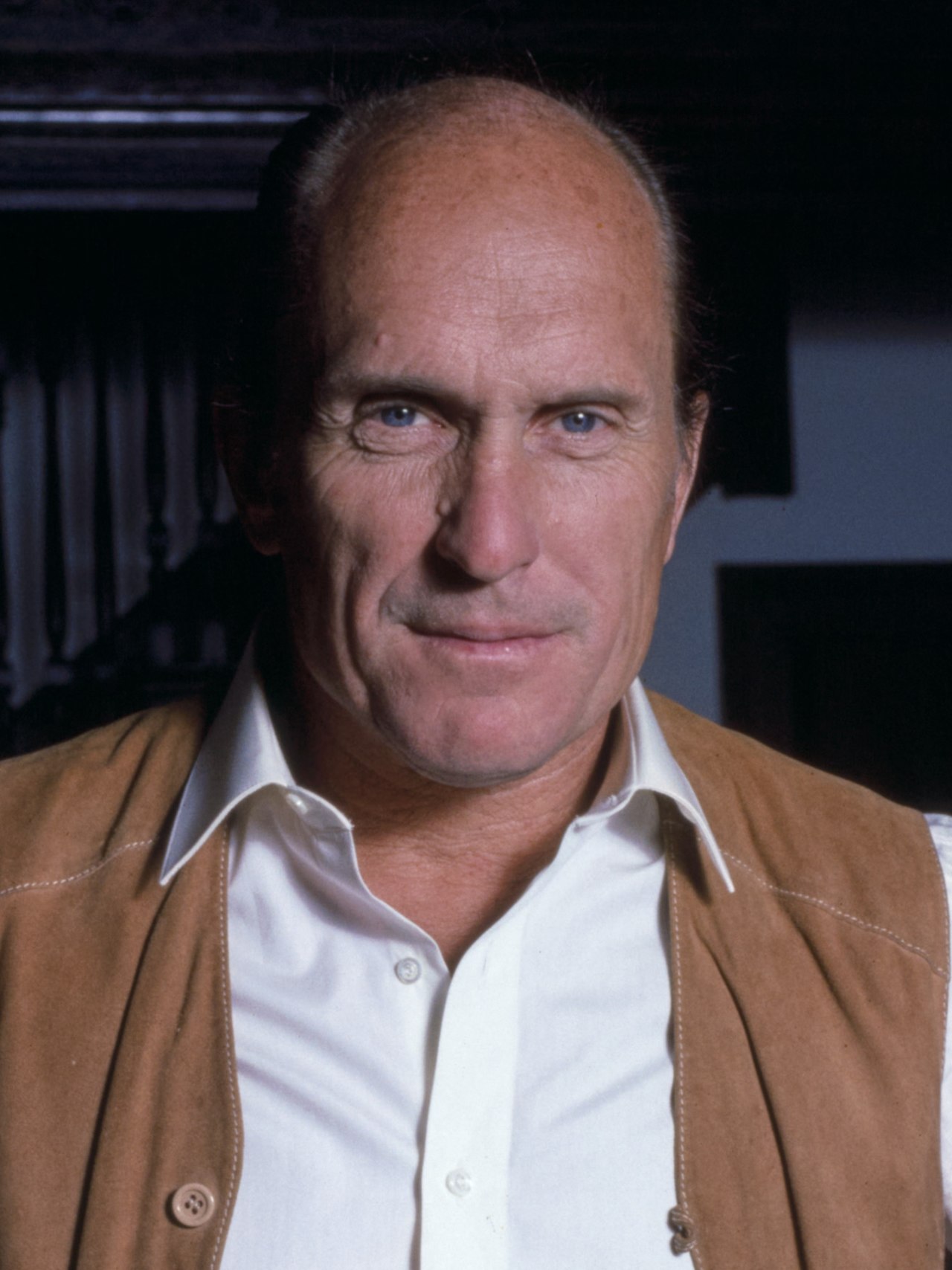
The family and industry mourn the passing of a true cinematic pioneer whose work defined the art of the documentary for generations.
Insiders say Wiseman was a notoriously hands-off director who let the institutions he filmed speak for themselves, a style that revolutionized non-fiction.
Wiseman died on Monday at the age of 96. He received an honorary Academy Award in 2016 for his lifetime contribution to filmmaking.
Hollywood has lost one of its most trusted chroniclers of American life, marking the end of an era for serious documentary filmmaking.
The lights dimmed on Hollywood history today following the passing of Frederick Wiseman. The legendary documentarian died on Monday at the age of 96, a milestone the industry had long anticipated. The heartbreaking news was confirmed by the filmmaker's family, who shared the announcement through his own production company, Zipporah Films. Wiseman leaves behind a cinematic legacy that is as vast as it is uncompromising.
Wiseman wasn't just a filmmaker; he was an institution himself. For nearly 60 years, he dedicated his career to dissecting the machinery of American society. He famously refused to manipulate the reality he captured, instead holding a high-powered lens to everything from public schools to city councils. His output was nothing short of prolific, cementing his reputation as one of the most important voices in cinema history. Films like *Titicut Follies* and *High School* didn't just document events; they exposed the raw, often uncomfortable underbelly of the systems we take for granted.
The Academy officially recognized his monumental contributions to the arts in 2016, when he was awarded an honorary Oscar. While the accolades came late in the game, they were richly deserved for a career that spanned decades of unflinching observation. He was a diplomat of the screen, bridging the gap between the general public and the complex institutions that govern our lives. His work taught generations of filmmakers that the camera is a tool for truth, not just entertainment.
As the world processes this loss, the focus remains on the thousands of feet of film Wiseman left behind. His work will continue to educate and provoke for years to come. The film community is in mourning, but the conversation about his legacy is just beginning to take shape.