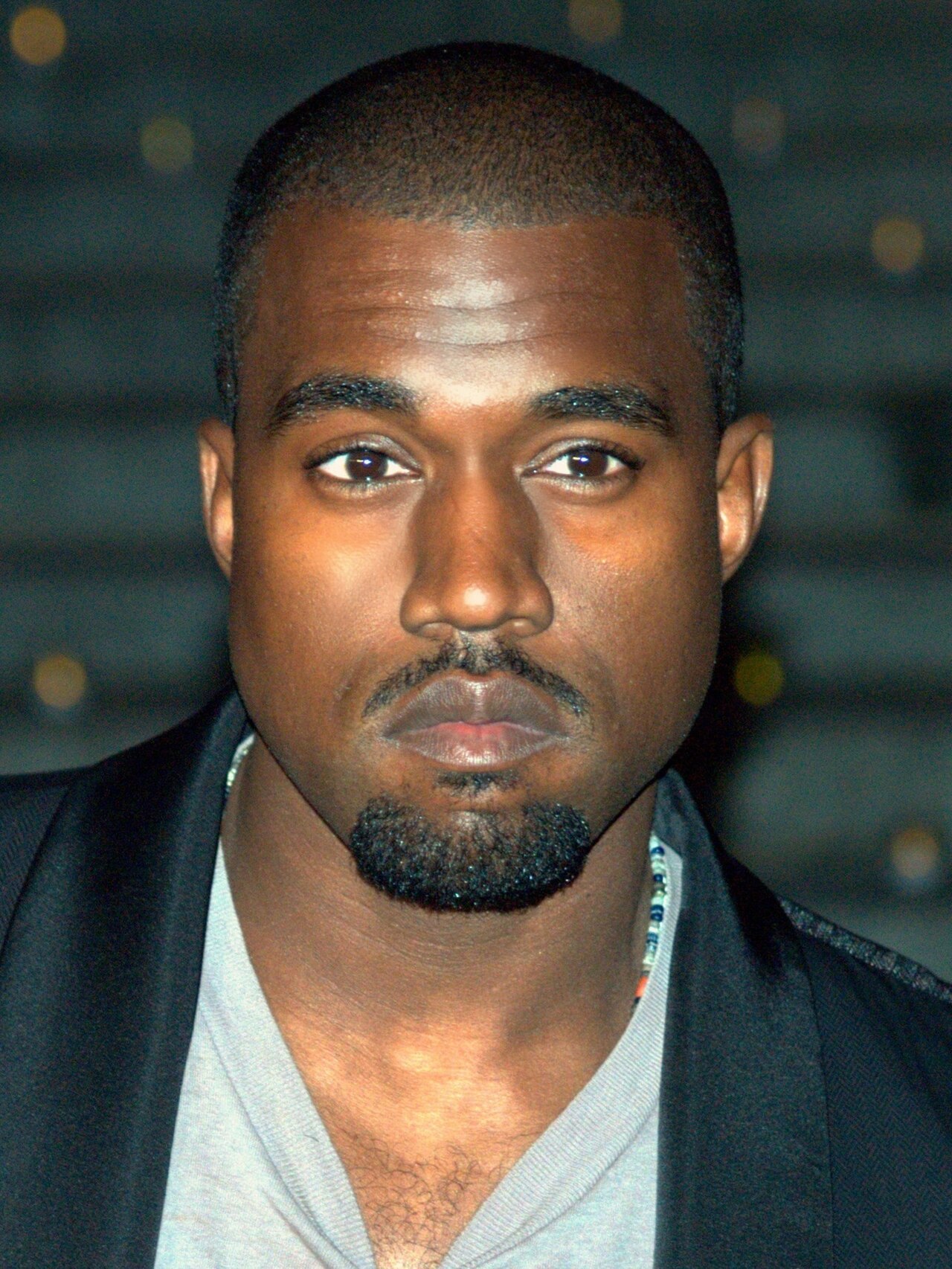
Gomez frames her bipolar diagnosis as liberation rather than limitation, emphasizing she's now able to understand why she processed emotions differently and lives life more freely. Her openness is positioned as advocacy through Wondermind, the mental health publication she co-founded.
What the tabloids won't say out loud: Gomez's admission that she sometimes doesn't even remember manic episodes happening is a stark reminder of how challenging bipolar management really is. Four rehabs and multiple therapists before getting properly diagnosed shows the messy reality behind the 'mental health advocate' narrative.
Gomez announced her bipolar diagnosis in 2020 during an Instagram Live with Miley Cyrus. On the 'Friends Keep Secrets' podcast, she revealed she went to four different rehabs and saw multiple therapists before receiving her diagnosis. Benny Blanco stated she sometimes doesn't remember when manic episodes are happening.
Gomez's transparency about the messy diagnostic journey and ongoing management of mania sets her apart from performative mental health advocacy. This isn't a redemption arc—it's real work, and she's not pretending otherwise.
Selena Gomez is continuing to use her platform to destigmatize mental health—and she's not holding back. The actress and singer recently opened up about her experience with bipolar disorder on the "Friends Keep Secrets" podcast, sharing intimate details about her journey to diagnosis and how she now manages manic episodes alongside husband Benny Blanco.
The former Disney star announced her diagnosis in 2020 during an Instagram Live video call with fellow Disney Channel alum Miley Cyrus, describing the discovery as a relief—though not an easy path. In the podcast episode, Gomez told Blanco that she knew something was wrong before her official diagnosis but had been misdiagnosed multiple times. "I think people were just assuming—and I would try multiple therapists," she explained. "It's actually really hard when we're talking about these things."
Gomez detailed that reaching her diagnosis required speaking with "multiple different people," and she's vocal about the importance of persistence. "I'm so grateful I went to four different rehabs because it all helped me understand it," she said. The singer acknowledged the broader cultural resistance to therapy, noting: "The whole hypocrisy of shaming people for therapy, or people not understanding it, is that it's just not for you. But for me, it finally allowed me to go, 'Oh, that's why I handled things the way I did.'"
Blanco offered insight into how Gomez experiences manic episodes, revealing she sometimes doesn't recognize them in the moment. "She'll start to realize she's having it after it's happening, and sometimes she doesn't even remember when it's happening," he said. "It's such a delicate thing because... you're not supposed to, technically, talk to the person about it while they're deep in it." Despite this, Blanco noted Gomez is "so hyper aware" of when she's experiencing mania—and she's proud of that progress. "I'm equally proud to say that I do have moments of mania," Gomez responded. "I'm not ashamed at all, because I can catch them a bit quicker."
Since her diagnosis, Gomez said she lives life more "freely" and wants others to know they aren't defined by their diagnosis. "You are not defined by a term," she said. "It's just informative to seek and talk and listen to podcasts or listen to certain things that will help you get information. I do believe there is a lot of hope." As the co-founder of mental health publication Wondermind, Gomez continues to advocate for open conversations around mental health—meeting people where they are.