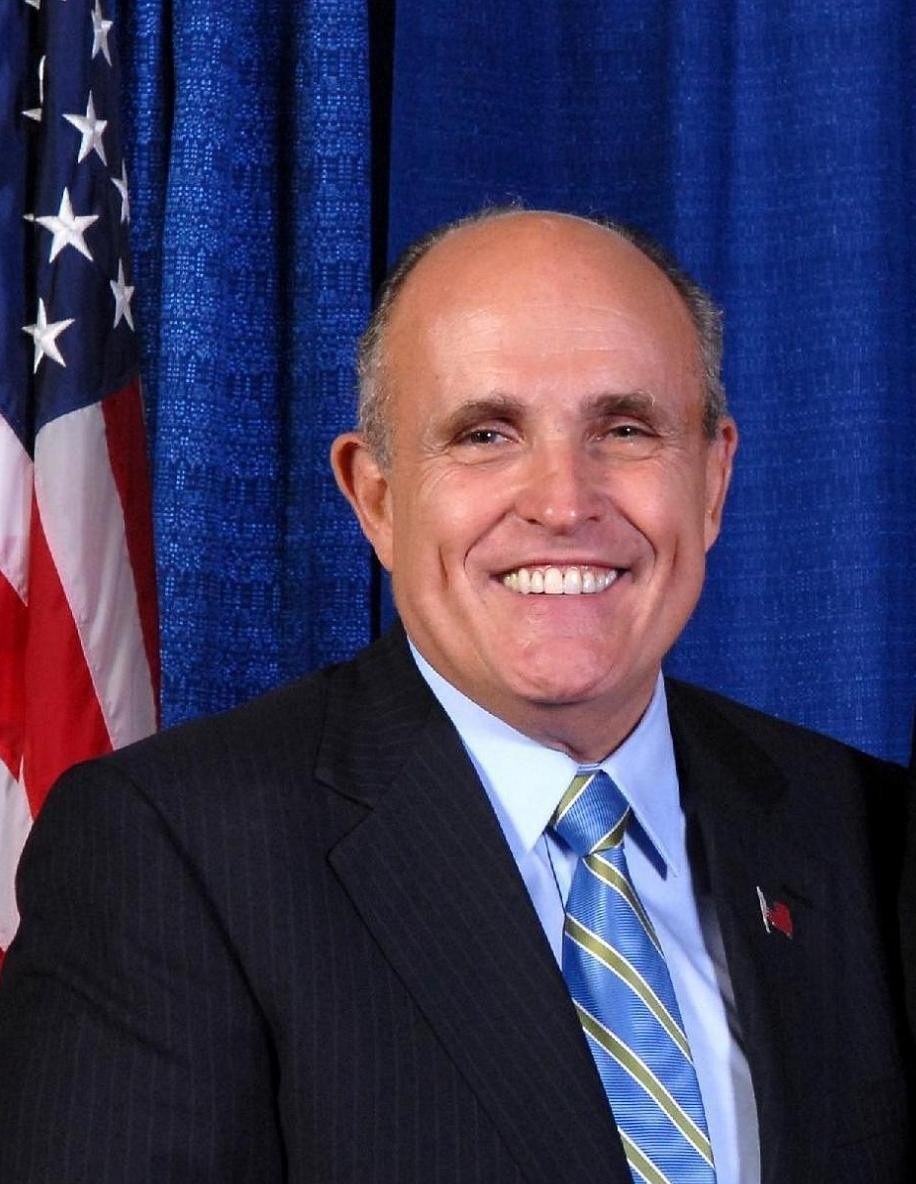
Amish Tripathi frames this as storytelling evolution — using AI to make Indian epics and philosophy accessible to digital-native audiences. He calls Collective Artists Network the 'perfect architect' for bringing cultural heritage to modern consumers.
Insiders are quietly asking who actually owns that avatar once it's built. Tripathi signed off on his likeness being digitized — but what happens when CAN wants the AI to generate content he never approved? Authors rarely win those contract battles.
The Historyverse channel launches digitally in May 2026 through CAN's creative unit. Vijay Subramaniam, founder and group CEO of Collective Artists Network, confirmed the project on May 4, 2026. Tripathi's own quote was included verbatim in Variety's reporting.
This isn't just a content launch — it's a test case for whether Indian creators will trade authenticity for algorithmic scale. When the author's digital double can work 24/7 without him, what does that mean for the stories that built his empire?
India’s Collective Artists Network has created an AI-powered avatar of Amish Tripathi — one of the country’s most successful authors — to anchor a new short-form content channel focused on history, mythology, and philosophy. The digital rollout begins this month through CAN's Historyverse creative unit, which is shaping editorial strategy across a slate spanning historical narratives, legends, and philosophical storytelling. Tripathi, known for his bestselling reinterpretations of Indian epics like the Shiva Trilogy and Ram Chandra Series, gave an official statement to Variety: "Storytelling has always evolved with the times, and this is an exciting new frontier for me.
The idea of using AI to expand how we engage with stories, making them more immersive and accessible, is something I’m very excited about." He praised Collective Artists Network as a partner that understands both cultural heritage and modern audience demands, calling Vijay Subramaniam the "perfect architect" for this content venture. Vijay Subramaniam, founder and group CEO of Collective Artists Network, framed the project as part of CAN's broader vision.
"At Collective, we’ve always believed that the future of storytelling lies at the intersection of culture and technology," he said in the same Variety report dated May 4, 2026. "With Amish, we have a storyteller who has already transformed how young India engages with our epics and puranas. This collaboration allows us to take that vision further, building a scalable, immersive content universe." The AI avatar will give the Historyverse slate a consistent on-screen identity tied directly to Tripathi's name and literary reputation.
For CAN, this extends an existing pattern of investing in culturally specific content amplified by new technologies. The company has been positioning itself as a bridge between traditional Indian narratives and digital-first audiences. But questions linger beyond the press release — specifically around who controls the avatar once it's built, what content it can generate without direct author approval, and whether fans will ultimately distinguish between Tripathi himself and his AI-generated proxy.
The timing matters too. As AI-generated content becomes increasingly indistinguishable from human-created material, a project tying an established author's brand to synthetic media sets a significant precedent for the Indian entertainment industry. Whether this represents innovation or the beginning of a troubling trend for creator rights remains to be seen — but one thing is certain: when your digital double can work around the clock without compensation beyond the initial deal, the math changes fast.