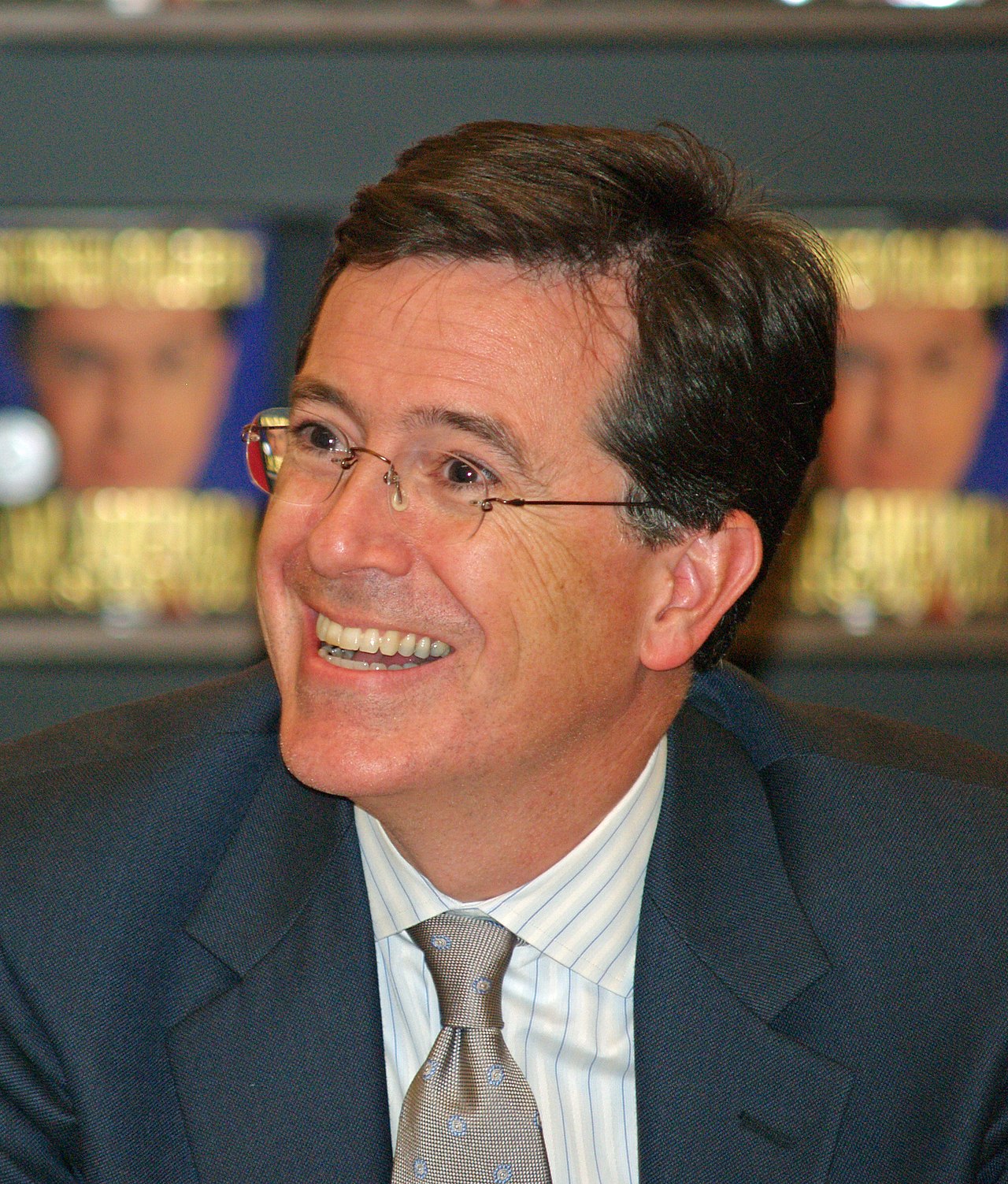
The Television Academy is framing the combined category as a necessary evolution that preserves recognition for both talk and scripted variety formats. The new 'area award' structure means more shows can win, giving networks flexibility in how they categorize submissions while ensuring excellence is still celebrated.
Sources close to several late-night productions say the real reason behind category consolidation isn't just declining submissions—it's that traditional broadcast talk shows are becoming financially untenable. CBS cutting Stephen Colbert's 'Late Show' around the same time Paramount settled with the Trump administration over '60 Minutes' has industry insiders whispering about political retaliation.
'The Late Show With Stephen Colbert' aired its final broadcast on May 21, 2026. Last year, the talk category had only three nominees while scripted variety had just two—down significantly from previous seasons. The new combined outstanding variety series category uses a 90% 'yes' vote threshold for winners.
The Emmys fixed one problem by combining categories, but they can't fix the underlying economics killing traditional late-night television. When Colbert signs off, Kimmel, Oliver, and Stewart carry the torch—but for how long?
The Television Academy finally did something about its struggling variety categories, merging talk and scripted variety into a single outstanding variety series category—and honestly, they had no choice. Last year proved the old system was broken: the talk category limped in with just three nominees while scripted variety scraped together only two. That's not a competitive field, that's an embarrassment.
The new structure isn't elegant, but it addresses the core issue. Under the revised rules, the combined category splits into two separate tracks—one for talk shows, one for scripted variety—with nomination slots determined by submission volume in each genre. The Academy also made outstanding variety series an "area" award, meaning any show that garners 90% affirmative votes from Emmy voters automatically wins.
Yes, you read that correctly: multiple shows could walk away with hardware if they hit that threshold. That's a significant departure from traditional competitive voting and speaks to how desperate the Academy was to find a solution that keeps everyone playing in the same sandbox. Which brings us to Stephen Colbert, whose final "Late Show" broadcast aired May 21, marking what may be the last opportunity to honor one of late night's most politically courageous hosts.
CBS claims it was purely financial—a familiar excuse when networks need cover for decisions that look anything but business-driven. But the timing raised eyebrows across Hollywood: Paramount settled with the Trump administration over a "60 Minutes" lawsuit around the same time Colbert got the ax, leading to persistent whispers about political retaliation. Whatever your politics, the optics are rough.
Colbert hasn't stopped lampooning the administration since his cancellation, which tells you everything about where his priorities lie. The real question isn't whether Colbert deserves an Emmy send-off—he almost certainly does—but whether traditional late-night as we knew it survives this decade at all. Sketch comedy has dried up.
Traditional talk shows are disappearing from network schedules. The video podcast revolution hasn't yet filled the void, though YouTube series like "Hot Ones" and "Subway Takes" have started campaigning for Emmy consideration. If more digital-first talk formats throw their hats in the ring, maybe the category regains some relevance.
But right now? We're watching an institution slowly suffocate under its own economics. The irony is that Colbert, Kimmel, Oliver, and Stewart represent exactly what late-night television was supposed to be: topical comedy that reflects the absurdity of the moment.
When critics pine for less political late-night, they forget Jay Leno spent years making Bill Clinton-womanizer jokes. The genre didn't change—politics did. A reality-star-turned-president blew up any pretense of decorum in Washington, and these hosts responded accordingly. That's not a flaw in late-night; that's the whole point.

