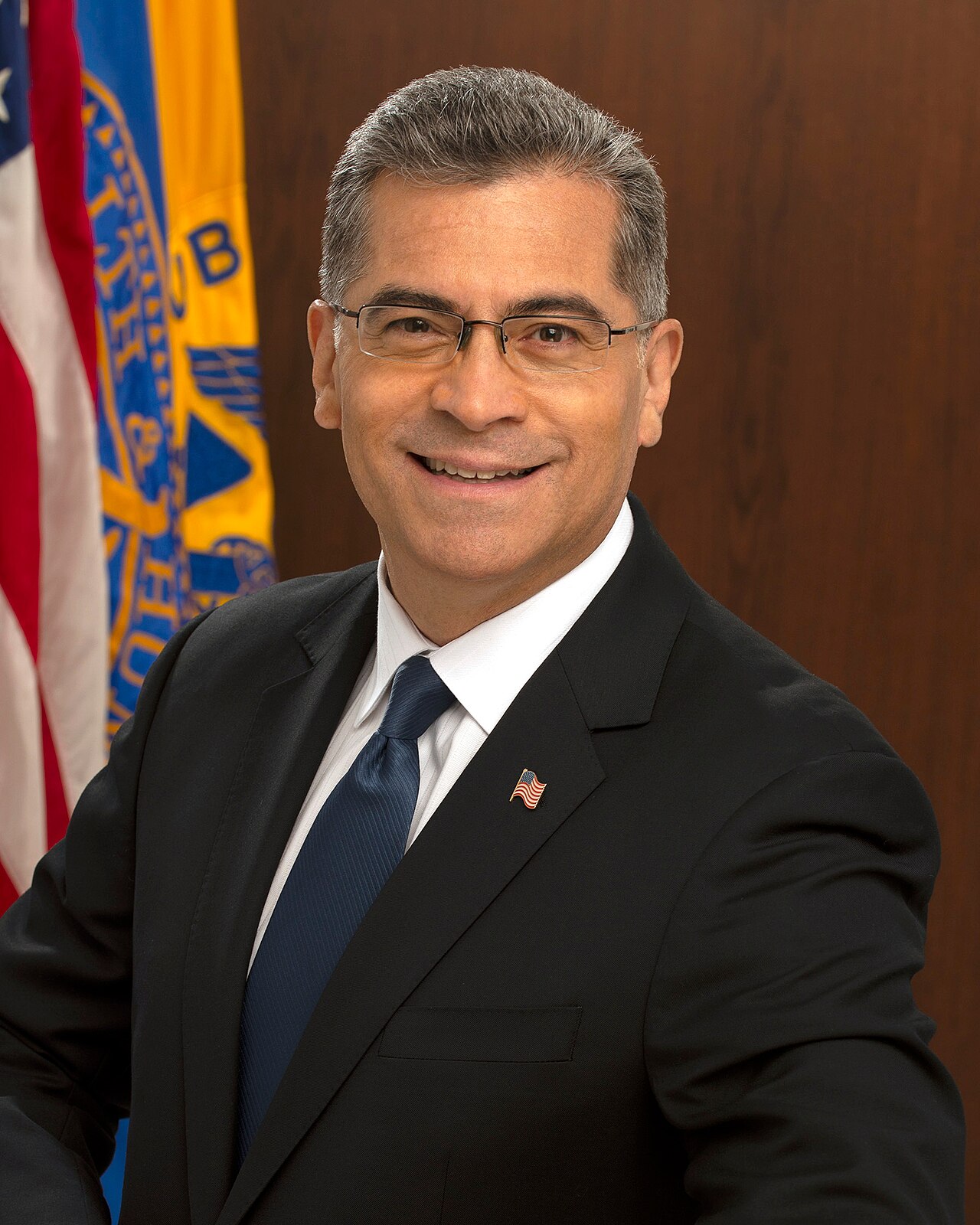
Becerra's camp frames this as a worker-protection initiative—giving creatives the data they need to negotiate fair contracts. The campaign calls it 'long overdue transparency' for an industry that's had its head in the sand.
Insiders say the guild deals from the 2023 strikes gave workers streaming bonuses that barely materialized. Now Becerra is essentially forcing streamers to prove their numbers—or else. Studios are already sweating.
Becerra sits at 22% in polls, just behind Steve Hilton's 23%. His 'California Content Performance Disclosure requirement' would mandate standardized performance data sharing with directors and crew. The $750M annual tax credit remains uncapped under his plan—unlike rivals who want to expand it further.
Becerra is betting that Hollywood's creative class is hungry for accountability—and the streamers know it. If this becomes law, expect Netflix and its ilk to fight back hard.
Xavier Becerra just dropped the most aggressive entertainment industry policy proposal of the California governor's race, and the streaming giants are not going to like it. The Democratic frontrunner—polling at 22 percent, a hair behind Republican Steve Hilton's 23 percent—is unveiling Friday his plan to force studios and streamers to disclose "meaningful performance data" to everyone from directors down to the crew. The proposal, called the "California Content Performance Disclosure requirement," would create a standardized form that workers could use to bargain fairly.
If companies don't comply? Becerra is exploring tying tax credits and permits to such disclosures—meaning your favorite streaming service could literally lose money for keeping their numbers under wraps. This isn't some abstract policy debate.
The lack of transparency around viewer data has been a festering wound in Hollywood since the streaming era began. During the strikes three years ago, directors and actors screamed about being left completely in the dark on how well their work performed—and by extension, what they should be paid. They won streaming bonuses in the deal, but according to multiple industry sources, not many of those bonuses have actually materialized.
Steven Soderbergh didn't mince words when he addressed this exact issue: either studios are "making a lot more money than anybody knows and that they're willing to tell us... [or] they're making a lot less money than anybody knows and they don't want Wall Street to look under the hood." That's a damning assessment from one of cinema's most respected voices, and Becerra is essentially betting his entire entertainment policy on addressing it.
Beyond the data disclosure mandate, Becerra is also pushing for what he calls a "California Entertainment Summit"—a gathering with "binding mandates" where guilds, crew organizations, producers, studios, streamers, and technology companies would be required to produce a public action plan. Not another report. An actual plan with "named leads" and "defined milestones." It's a subtle dig at the endless industry task forces and committees that have produced more hot air than results as jobs continue bleeding out of California to Georgia, the U.K., and wherever else production costs less.
Becerra's campaign is clearly trying to channel the frustration that's been building among union leaders and top directors who feel like they've been promised change for years while watching their industry shrink. On the tax credit front, Becerra is taking a more surgical approach than his rivals. While Steve Hilton wants project credits to reach 60 percent (up from the current 35-45 percent) and Tom Steyer has called for uncapping the $750 million annual program entirely, Becerra wants credits to expand based on specific areas "where we are losing work." He's identified post-production, VFX, independent productions, and episodic television at scale as likely targets—but left the door open to following wherever the data leads.
Notably absent from his plan: any expansion of credits to above-the-line costs like star salaries. That keep-the-earmark stance will please unions but frustrate producers who've been lobbying hard for flexibility. Becerra is expected to barnstorm the state next week ahead of the June 2nd primary, and if current polling holds, he'll face Hilton in a November showdown that most observers are already treating as likely Democratic victory territory.
But before he gets there, he's made one thing crystal clear: the current system, as he put it, was "built for an industry that no longer exists." And in his view, "the market alone cannot plan its way through disruption this broad and this fast." That's a direct shot at both his Republican opponent's free-market approach and the streaming platforms' own self-regulation promises—which creatives have long argued don't hold water.


