The outpouring of love for Gloria Steinem represents a celebration of her extraordinary six-decade legacy as the preeminent voice for women's rights in America. Her passing is being framed by admirers as the end of an era, but her ideas and influence will echo through generations of activists yet to come.
Sources close to Oprah Winfrey tell me that she was personally devastated by this news—Gloria was one of those rare figures who existed above the celebrity fray, someone whose respect came not from PR teams but from genuine revolutionary work. The fact that Meghan Markle also rushed to pay tribute speaks volumes about how Gloria remained relevant even as the culture wars shifted around her.
Gloria Steinem died on September 3, 2026, at age 92. She was a writer, activist, and founding mother of modern feminism who published her first major article in 1962 and co-founded Ms. Magazine in 1972. Her work on reproductive rights and abortion access shaped decades of legal battles.
Love her or critique her—and plenty did both—there's no denying Gloria Steinem moved the needle on issues that affect half the planet. That's a hell of a legacy to leave behind.
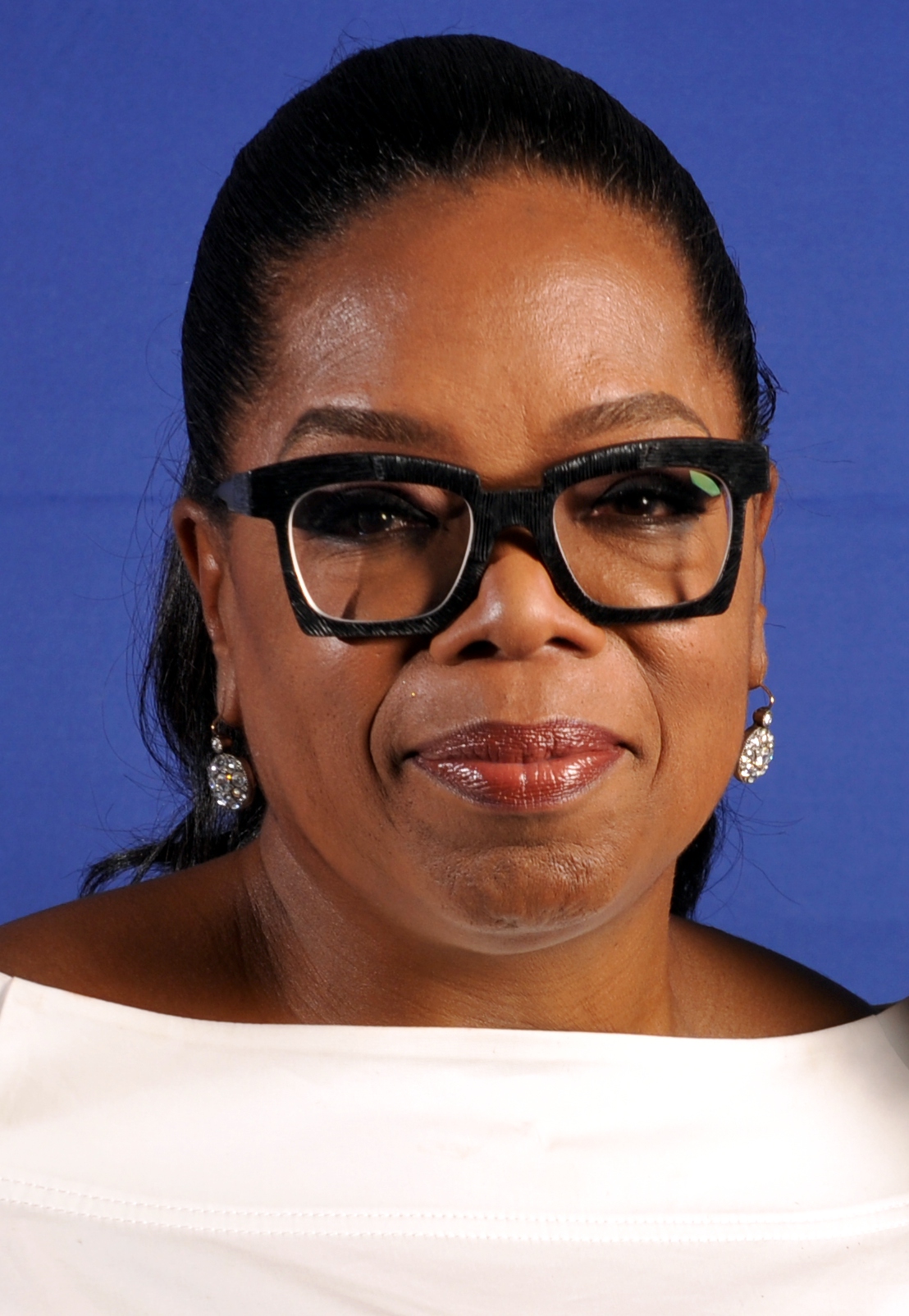
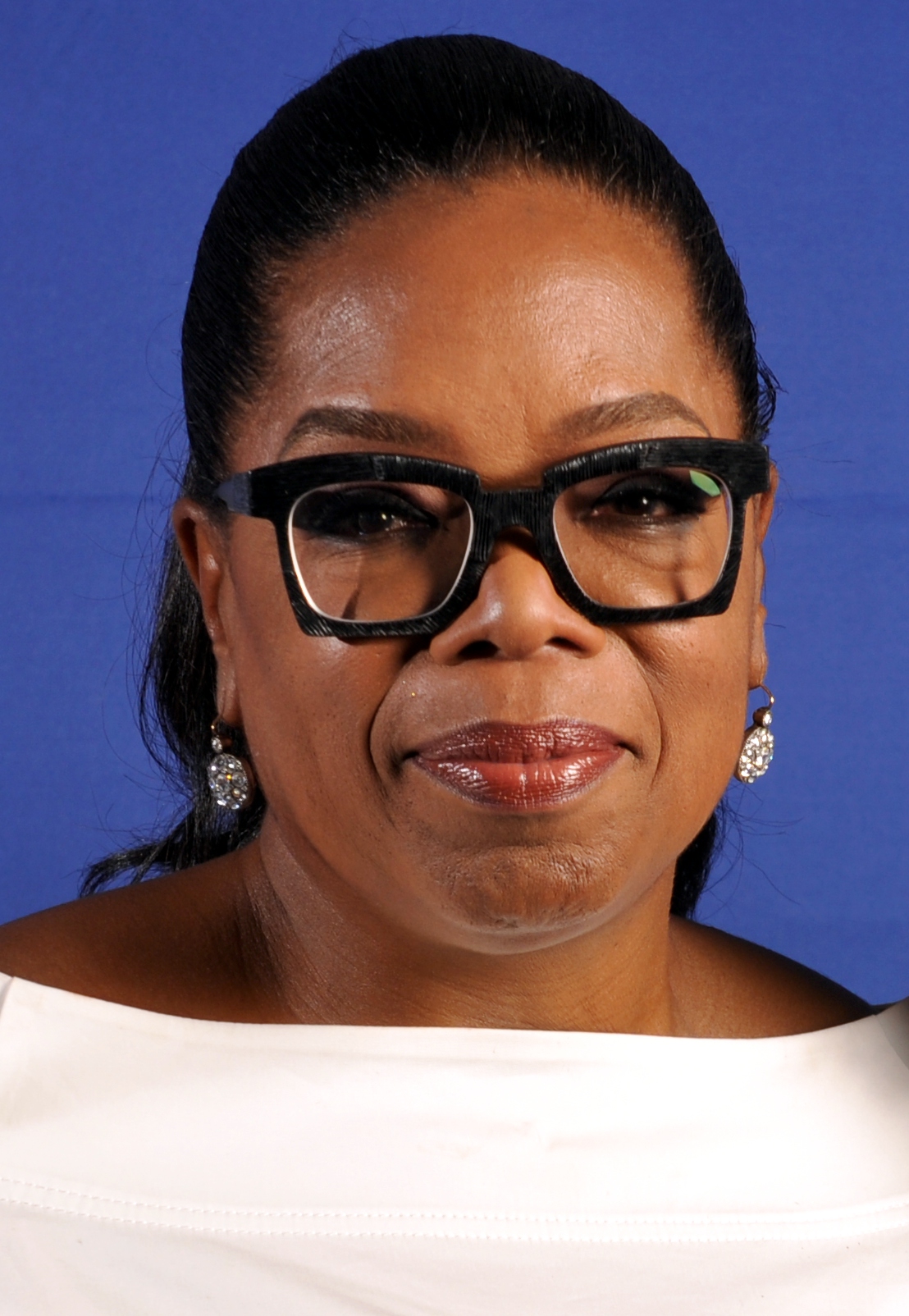
Gloria Steinem, the writer, activist, and undisputed architect of modern feminism, died Wednesday at age 92, sending shockwaves through Hollywood and beyond as tributes poured in from some of the most powerful women in entertainment. The news broke late Wednesday afternoon, and within hours, the reactions had reached a fever pitch. Oprah Winfrey—rarely one to weigh in on every cultural moment—took to social media with words that captured what Steinem meant to millions: "She helped shape the world for women and all people," Winfrey wrote, her tribute accompanied by a photograph of the two icons together.
The simple declaration carried the weight of six decades of revolutionary work, from Steinem's explosive 1962 expose on abortion clinics to her co-founding of Ms. Magazine in 1972. Meghan Markle, the Duchess of Sussex who has navigated her own complicated relationship with traditional power structures, also joined the chorus of mourners.
Her tribute struck a more personal note, referencing conversations she'd had with Steinem about the particular challenges facing women across generations and borders. It's a testament to how Steinem maintained relevance even as she aged—a rare feat in a movement often accused of eating its own. The scope of grief extended far beyond A-list celebrities.
Feminist organizations, political operatives on both sides of the aisle, and countless writers who built their careers on foundations Steinem helped lay all weighed in with memories and appreciations. Steinem's influence was structural—she didn't just write essays or give speeches, she fundamentally altered how America discusses gender, reproductive rights, and power. For those keeping score at home, Steinem published her first major piece in 1962—anonymously bylined exposé on abortion clinics that would eventually land her on the cover of New York magazine.
She was 28. From there, she became the face of second-wave feminism, weathering criticism from every direction with characteristic grace and an unwillingness to back down from hard conversations. Her relationship with Playboy founder Hugh Hefner?
She wrote about it candidly. The fractures in feminist solidarity over race and class? She addressed them directly rather than pretending they didn't exist.
Whether you agreed with her politics or not—and plenty of people on both sides did not—Steinem represented something increasingly rare: a public intellectual who actually changed minds and moved policy. That's the kind of legacy that doesn't come along every generation. Rest easy, icon.